

“On ne lit jamais un livre. On se lit à travers le livre, soit pour se découvrir, soit pour se contrôler.”
- Claude Roy
Well Read Black Girl

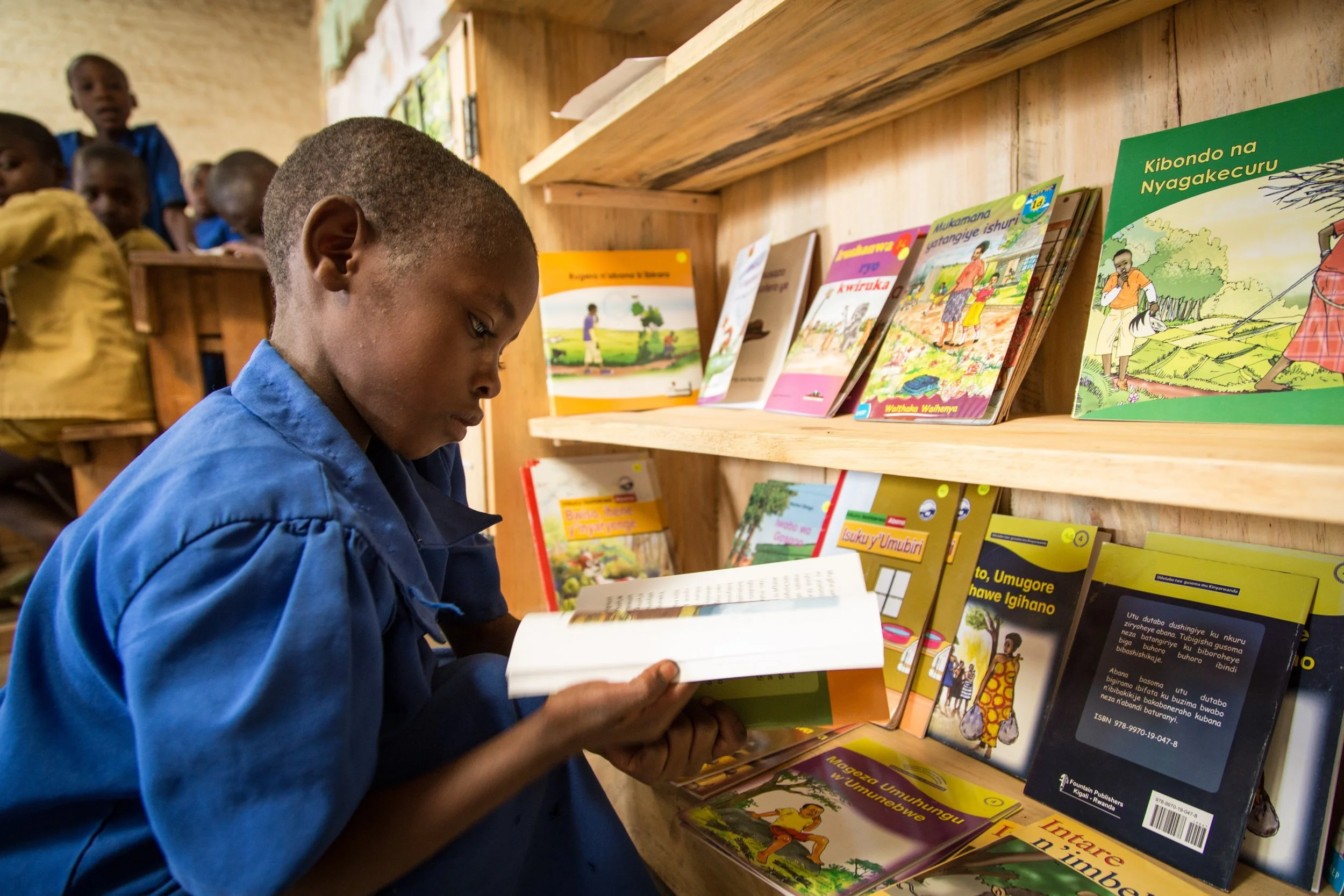
Meet your next favorite books.
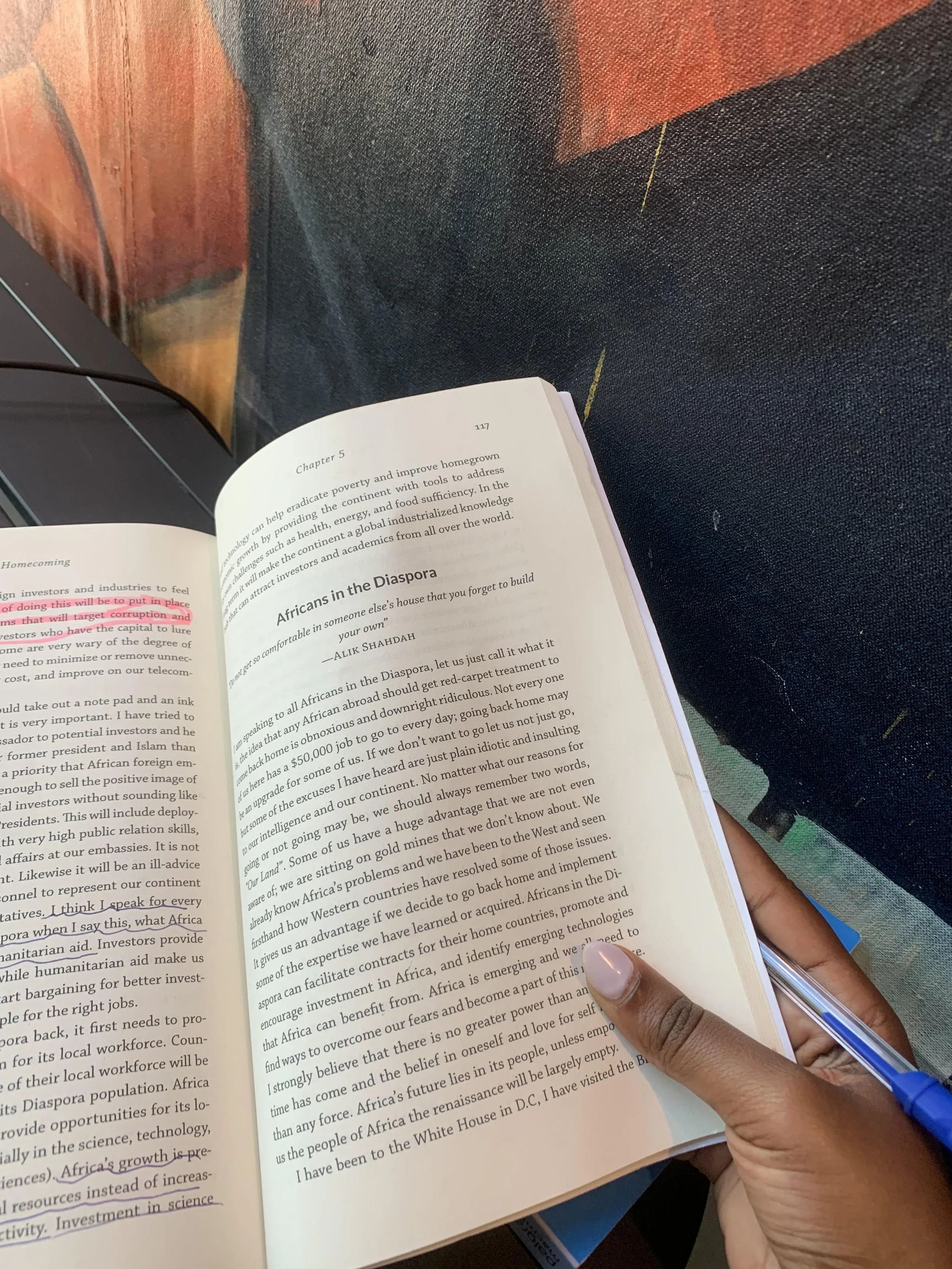
Mariama Bâ
Mariama Bâ was one of the pioneers of Senegalese literature. Born in Dakar in 1929, she lost her mother soon after, and was raised by her maternal grandmother, who was of Muslim confession and strongly attached to traditional culture. Through the insistence of her father, an open-minded politician, the young Mariama attended French school, obtained her school-leaving certificate, and won admission to the École Normale for girls in Rufisque, from where she graduated as a schoolteacher in 1947. Her two French-language novels were both translated into more than a dozen languages Ba was married three times and had nine children; her third and longest marriage was to a Senegalese member of Parliament, Obèye Diop, but they divorced. Bâ died in 1981 after a protracted illness, before the publication of her second novel, Un Chant écarlate (Scarlet Song), which is a love story between two star-crossed lovers from different ethical backgrounds fighting the tyranny of tradition.
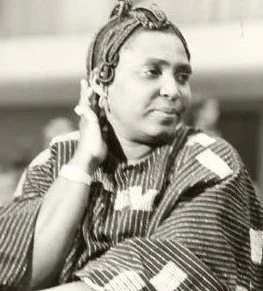
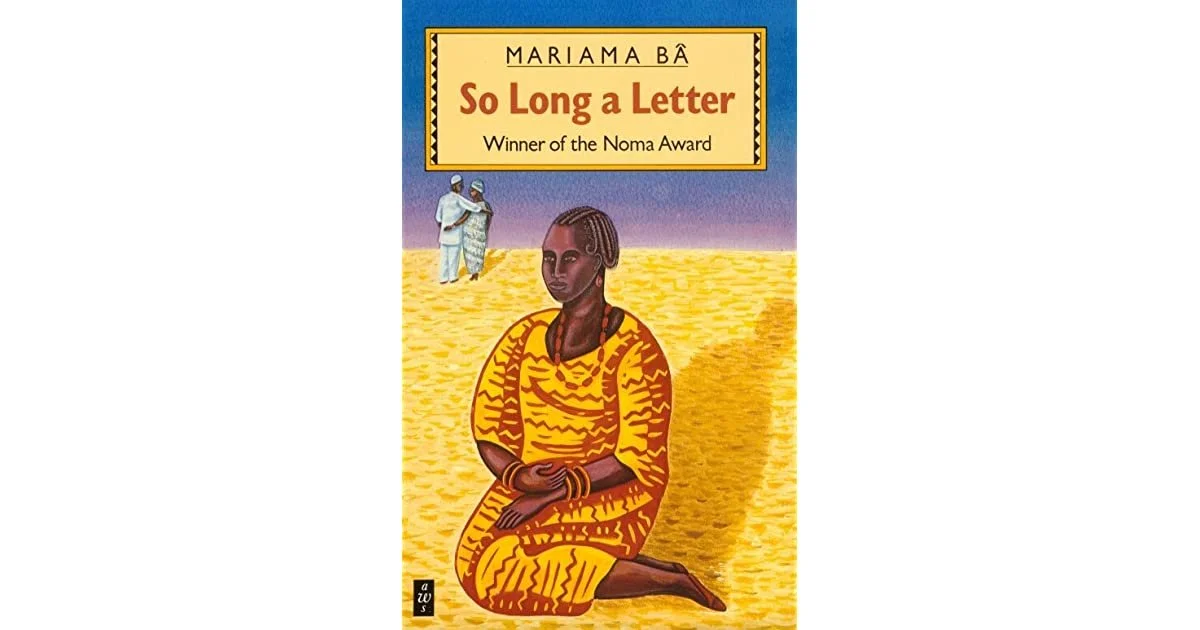
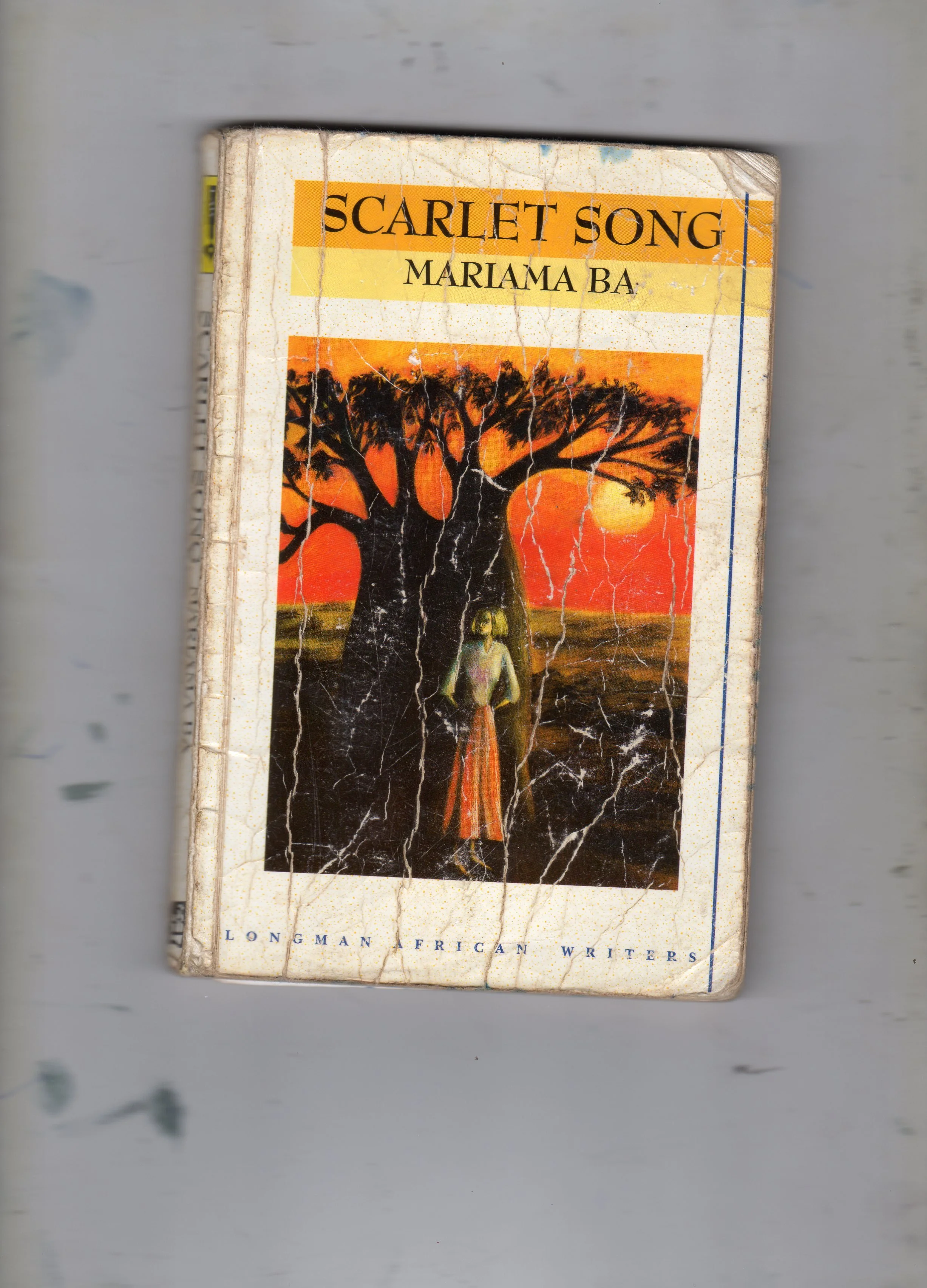
Mariama Bâ (April 17, 1929 – August 17, 1981)
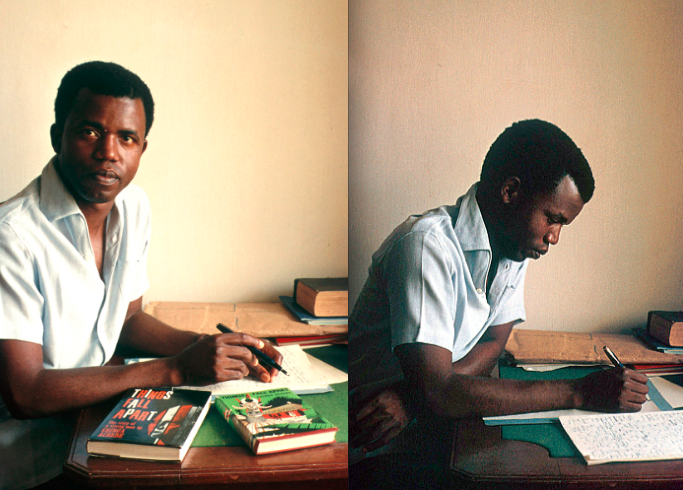
Chinua Achebe (pronounced Chee-noo-ah Ah-chay-bay)
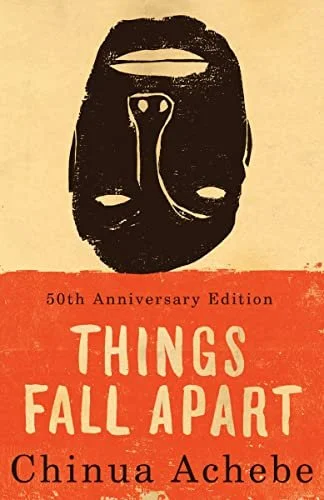
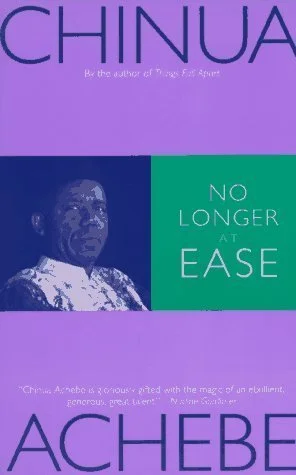
Chinua Achebe has to be the most influential African writer of his generation. His writings, including the novel Things Fall Apart, No Longer at Ease, Arrow of God, Anthills of the Savannah, and Man of the People have introduced readers throughout the world to creative uses of language and form, as well as to factual inside accounts of modern African life and history. Not only through his literary contributions but also through his championing of bold objectives for Nigeria and Africa, Achebe has helped reshape the perception of African history, culture, and place in world affairs.
Chinua Achebe (born Albert Chinualumogu Achebe; November 16, 1930–March 21, 2013) was a Nigerian writer described by Nelson Mandela as one "in whose company the prison walls fell down." He is best known for his African trilogy of novels documenting the ill effects of British colonialism in Nigeria, the most famous of which is "Things Fall Apart."
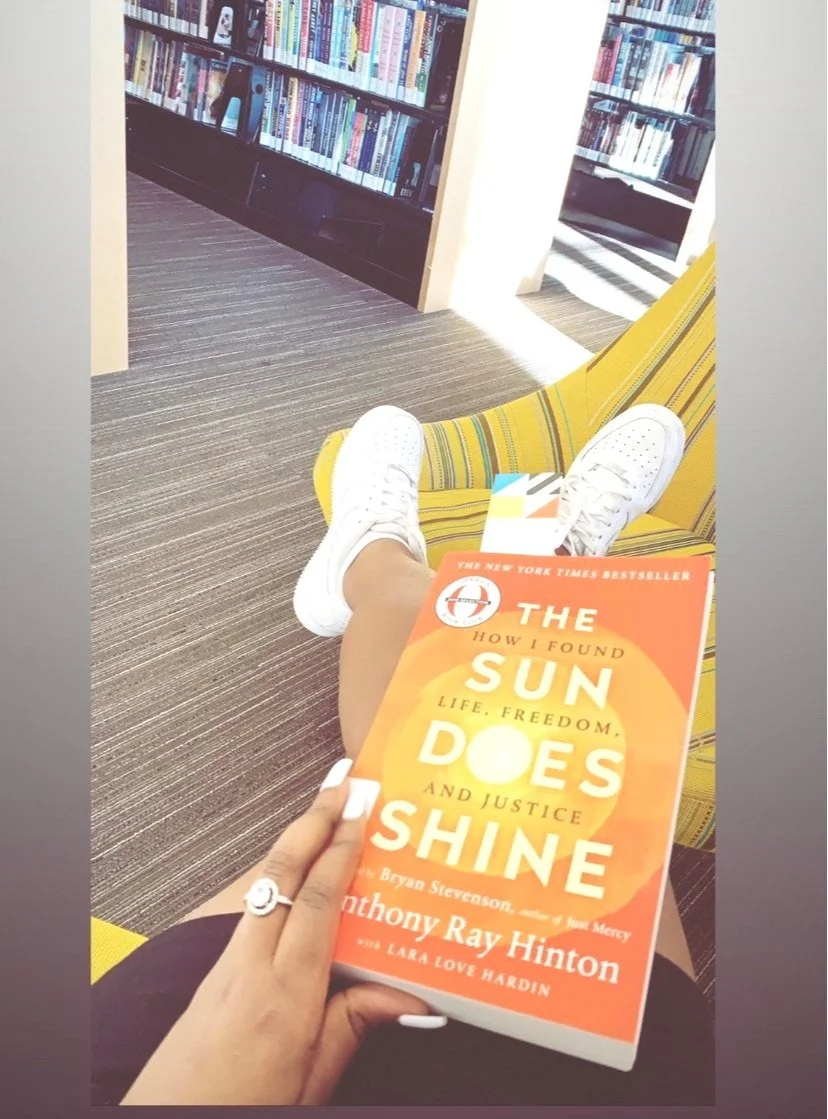
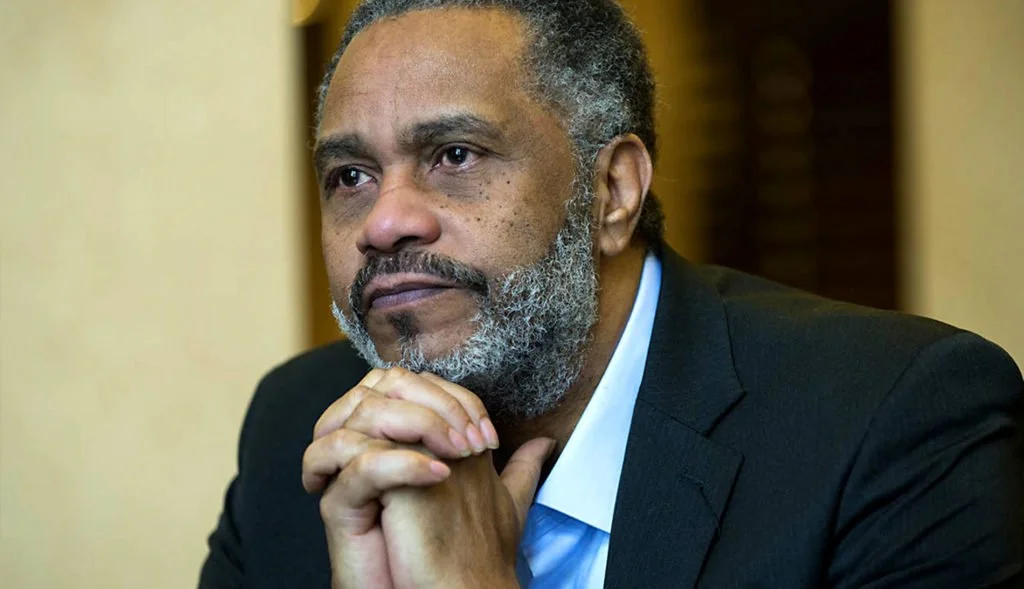
Anthony Ray Hinton
Anthony Ray Hinton spent 29 years on Alabama's death row as a victim of wrongful conviction. Mistaken witness identification, false or misleading forensic evidence, and inadequate legal defense caused his imprisonment for a 1985 double robbery-murder that he did not commit. His case was appealed all the way to the Supreme Court of the United States, which paved the way for his exoneration in April 2015.
Anthony was one of the longest serving death row prisoners in Alabama history and among the longest serving condemned prisoners to be freed after presenting evidence of innocence. Mr. Hinton is the 152nd person exonerated from death row since 1983.
While relieved to be off death row, Anthony talks often to groups and the media about his time in prison for a wrongful conviction, and the difficulties exonerees have adjusting to life after exoneration, even with the smallest, mundane things we take for granted.
Text from The innocent Project
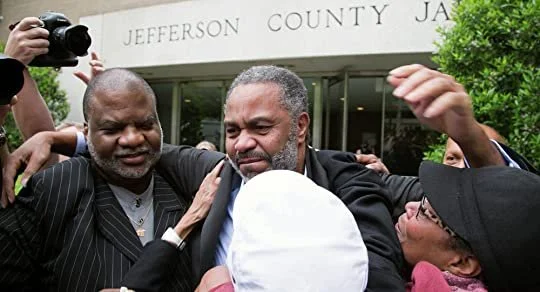
“Always do the right thing even when the right thing is the hard thing.”

Watch Oprah’s interview with Anthony Ray Hinton
Elizabeth Alexander
Elizabeth Alexander was born on May 30, 1962, in Harlem, New York, and grew up in Washington, D.C. She received a BA from Yale University, an MA from Boston University (where she studied with Derek Walcott), and a PhD in English from the University of Pennsylvania.
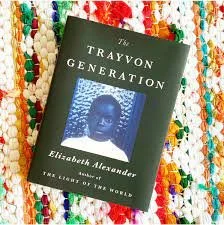
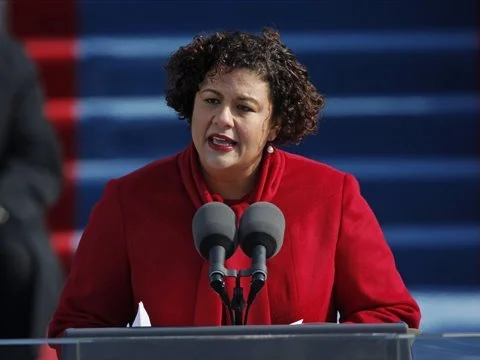
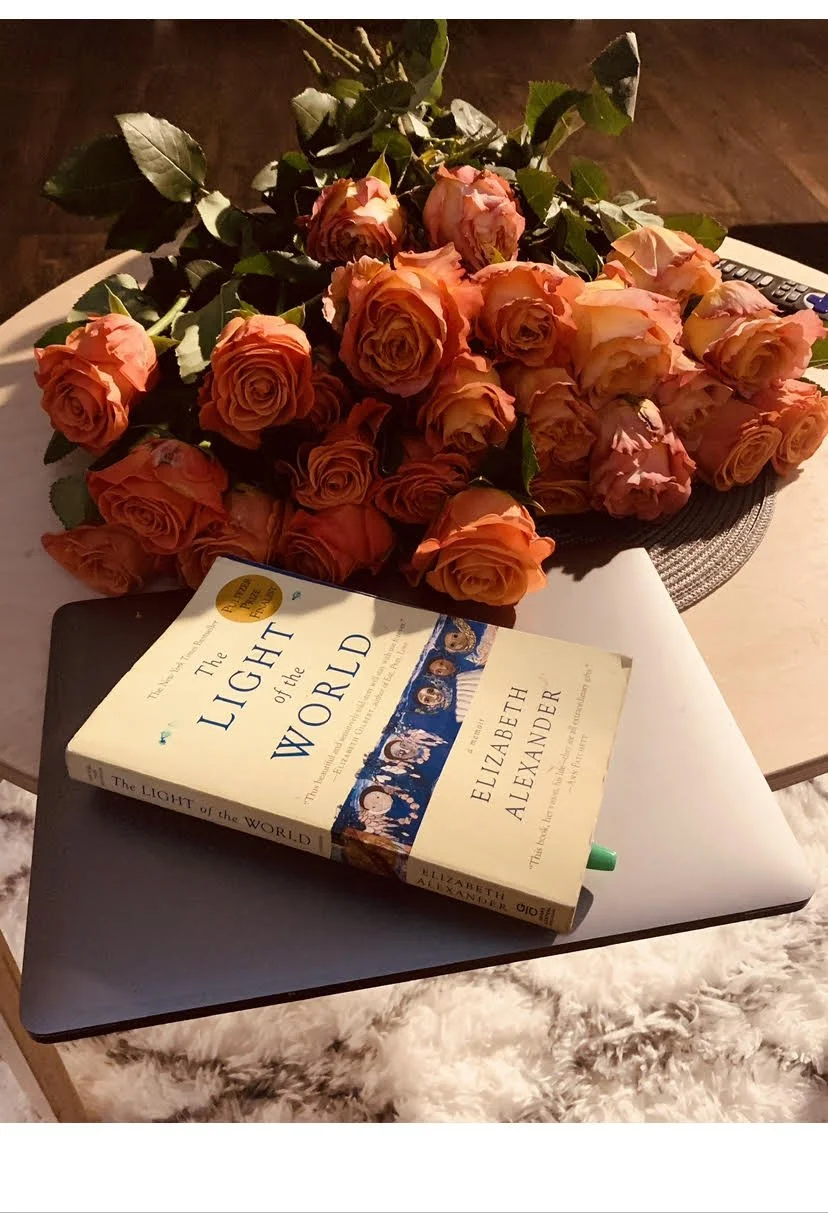
An author or co-author of fifteen books, Dr. Alexander was twice a finalist for the Pulitzer Prize: for poetry with American Sublime and for biography with her 2015 memoir, the New York Times best-seller The Light of the World. In 2009, she composed and delivered the poem “Praise Song for the Day” for President Barack Obama's inauguration. Her latest book, released in 2022, is The Trayvon Generation.
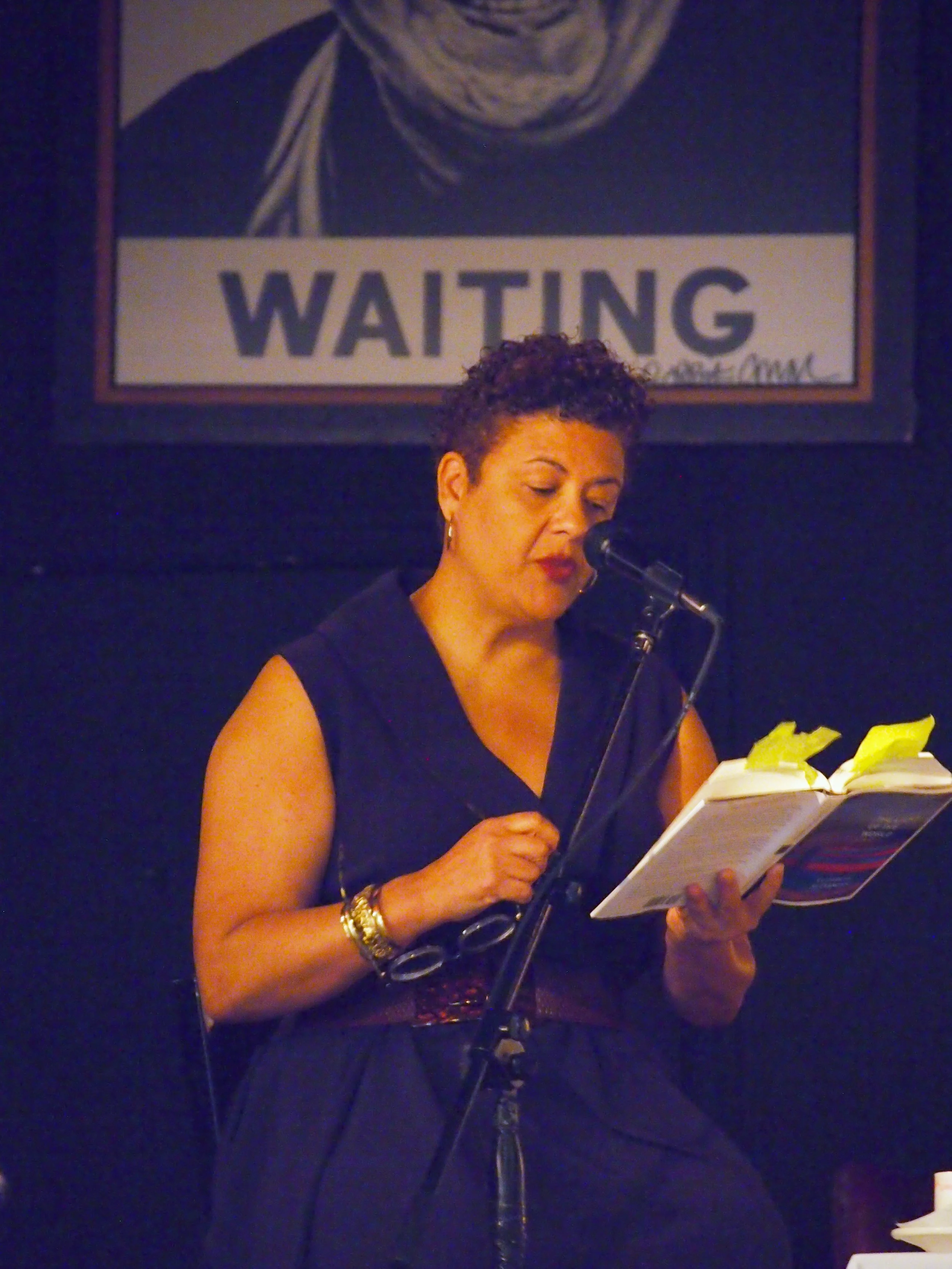
Inaugural Poem: "Praise Song for the Day.”
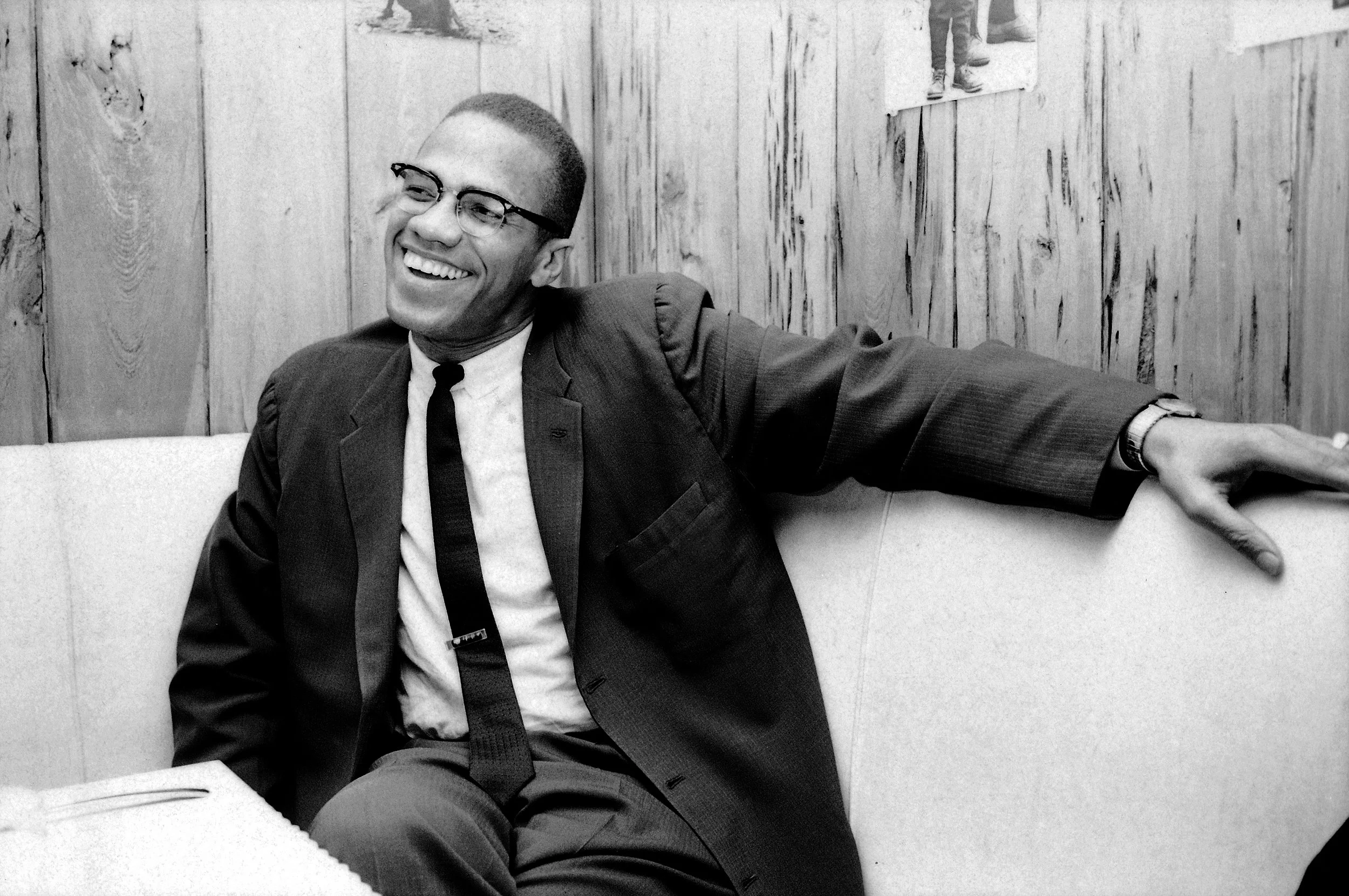
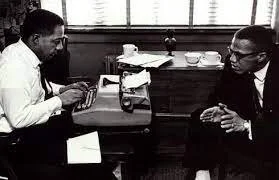
Haley recalls that after they finished the manuscript of the autobiography, Malcolm X expressed his fear that he wouldn’t live to see its publication.
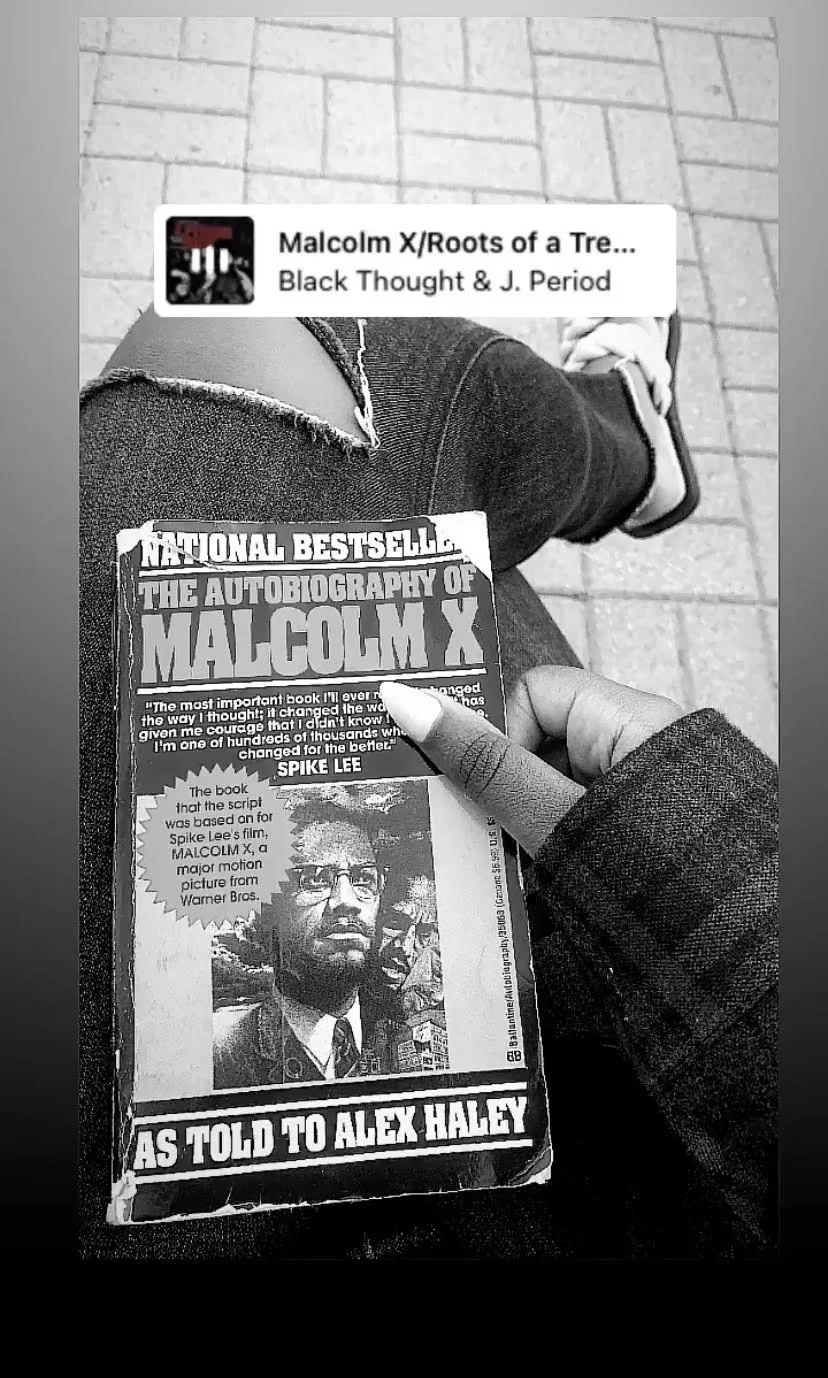
Despite my firm convictions, I have always been a man who tries to face facts, and to accept the reality of life as new experience and new knowledge unfolds. I have always kept an open mind, a flexibility that must go hand in hand with every form of the intelligent search for truth.
- Malcolm X
Scholastique Mukasonga
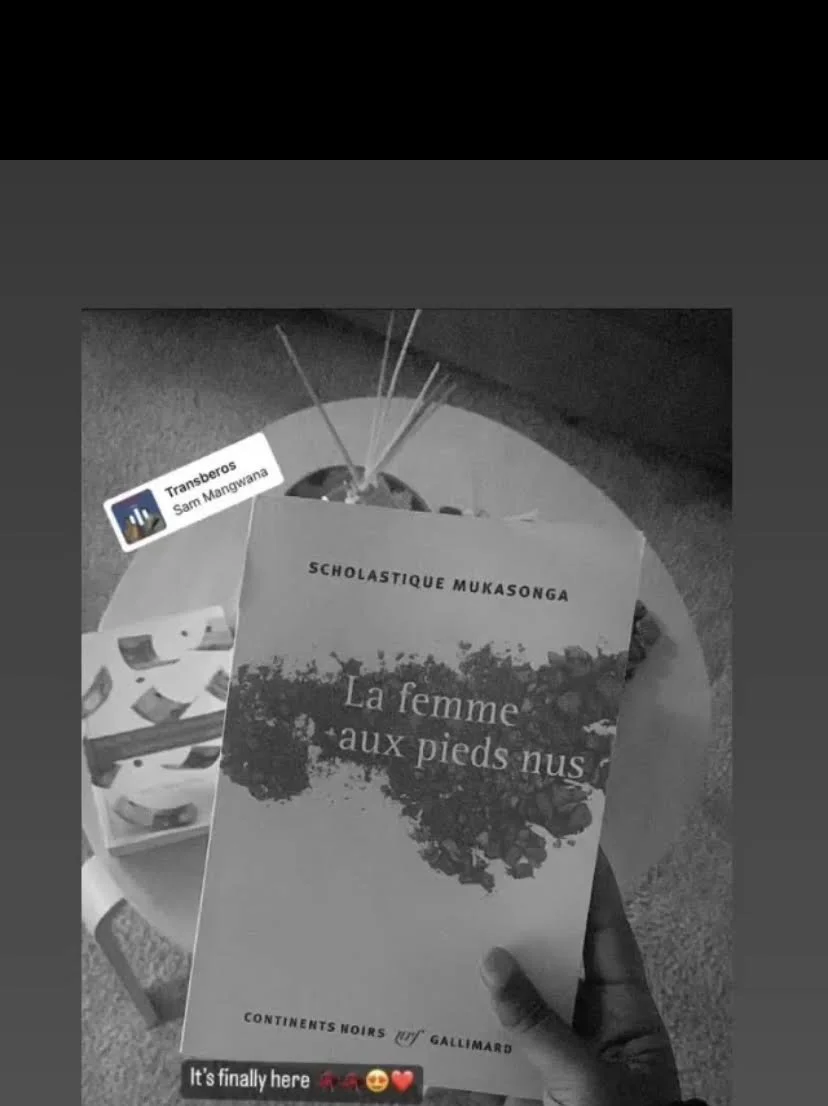
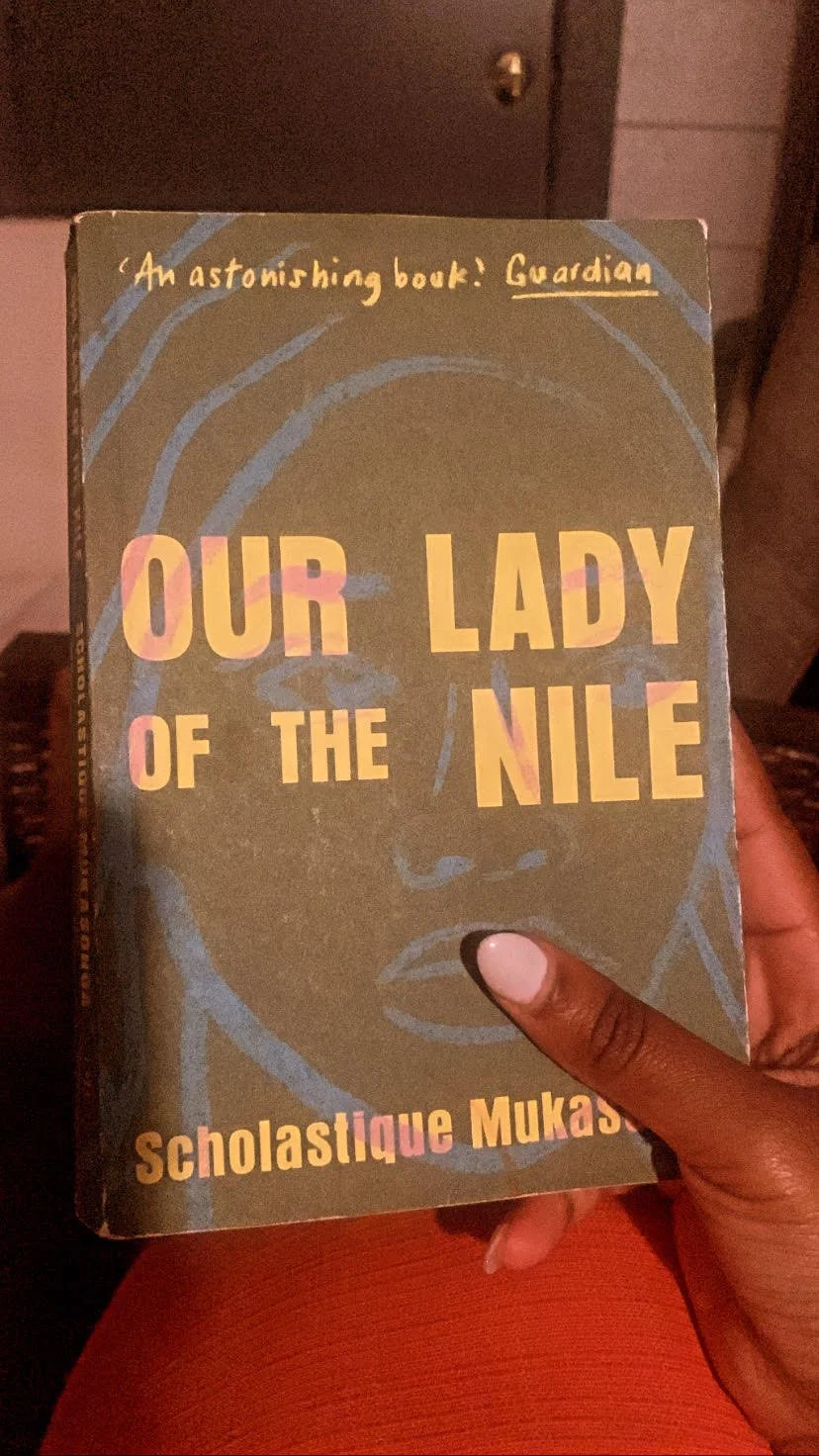
Born in Rwanda in 1956, Scholastique Mukasonga experienced from childhood the violence and humiliation of the ethnic conflicts that shook her country. In 1960, her family was displaced to the polluted and under-developed Bugesera district of Rwanda. Mukasonga was later forced to leave the school of social work in Butare and flee to Burundi. She settled in France in 1992, only 2 years before the brutal genocide of the Tutsi swept through Rwanda. In the aftermath, Mukasonga learned that 37 of her family members had been massacred. Twelve years later, Gallimard published her autobiographical account Inyenzi ou les Cafards, which marked Mukasonga’s entry into literature. This was followed by the publication of La femme aux pieds nus in 2008 and L’Iguifou in 2010, both widely praised. Her first novel, Our Lady Of The Nile, won the Ahamadou Kourouma prize and the Renaudot prize in 2012, as well as the Océans France Ô prize in 2013 and the French Voices Award in 2014, shortlisted for the 2016 International Dublin Literary award and Finalist for 2019 National Book Awards for Translated Literature with The Barefoot Woman. In 2020, her novel Our Lady Of The Nile is adapted as film by Atiq Rahimi. The Film won the “Crystal Bear” at Berlinale 2020 and be part of the Official Selection for TIFF 2019.
Text from https://scholastiquemukasonga.net/en/biography/
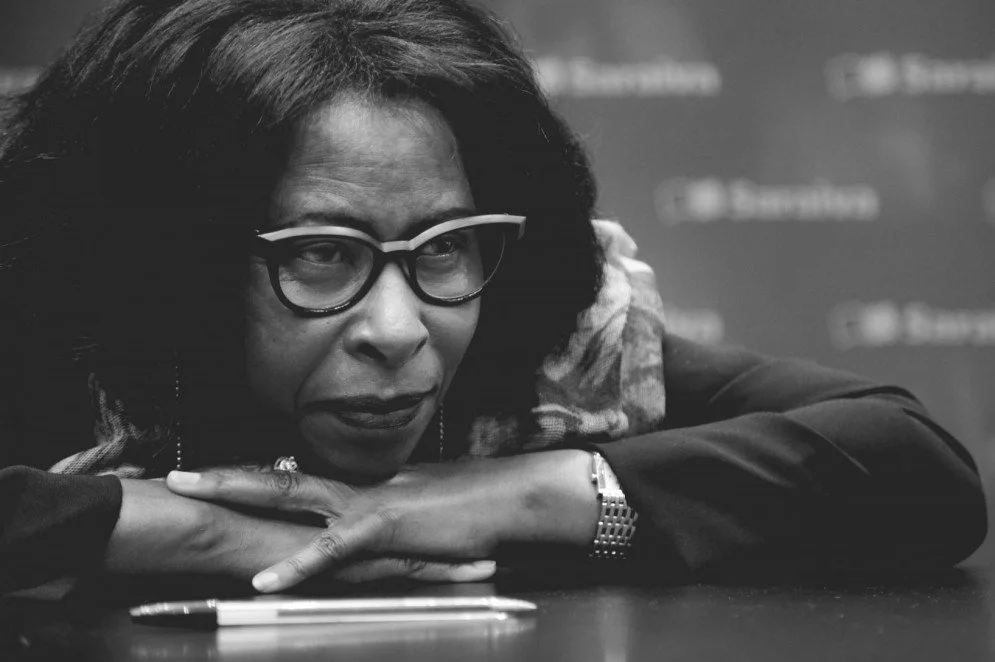
Chimamanda Ngozi Adichie
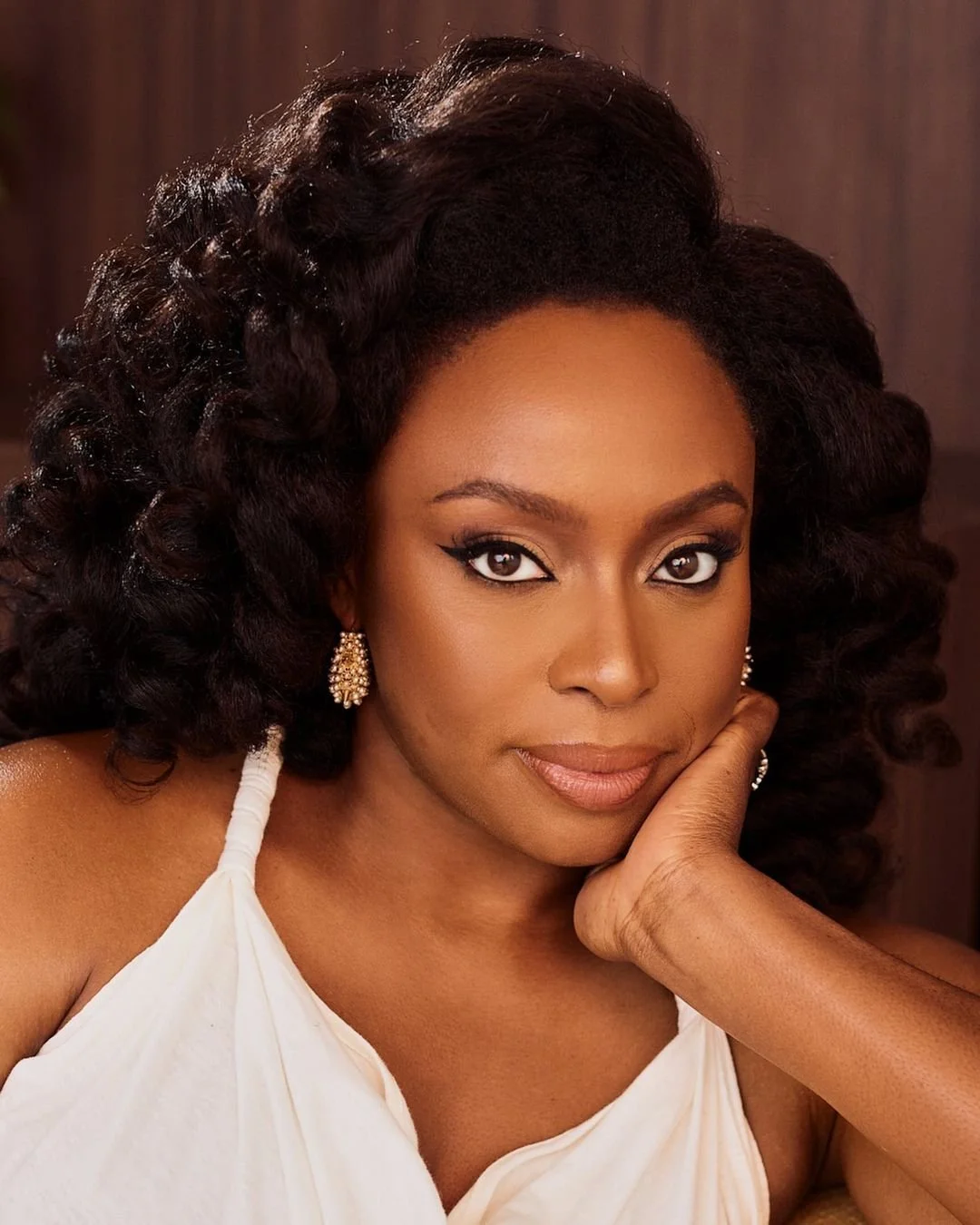
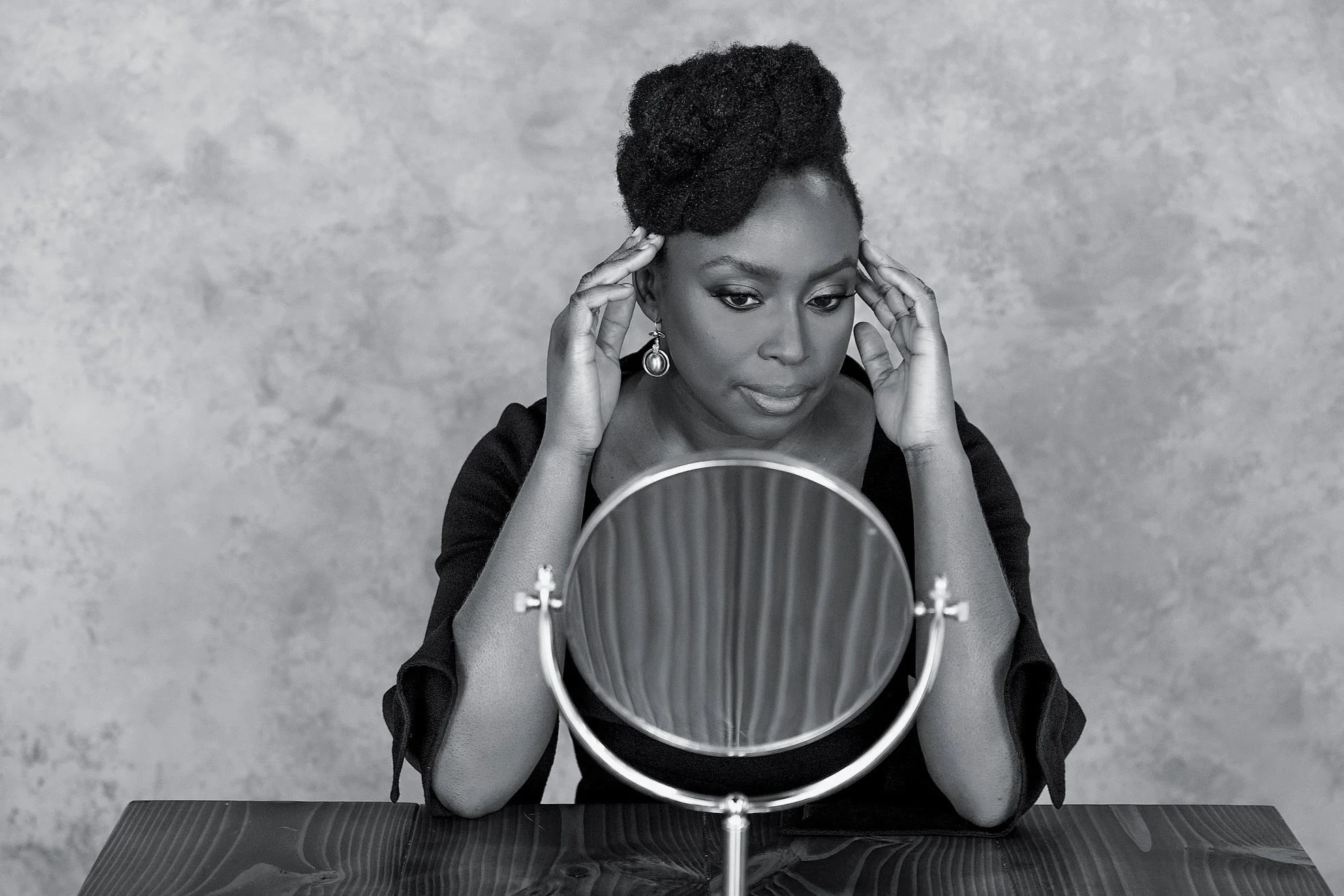
Chimamanda started working on her first novel, Purple Hibiscus, during her senior year at Eastern which was released in October 2003. The book has received wide critical acclaim: it was shortlisted for the Orange Fiction Prize (2004) and was awarded the Commonwealth Writers' Prize for Best First Book (2005).
Her second novel, Half of a Yellow Sun (also the title of one of her short stories), is set before and during the Biafran War. It was published in August 2006 in the United Kingdom and in September 2006 in the United States. Like Purple Hibiscus, it has also been released in Nigeria.
Chimamanda was a Hodder fellow at Princeton University during the 2005-2006 academic year, and earned an MA in African Studies from Yale University in 2008; her thesis was entitled 'The Myth of "Culture": Sketching the History of Igbo Women in Precolonial and Colonial Nigeria'. In 2011-2012, she was awarded a fellowship by the Radcliffe Institute for Advanced Study, Harvard University, which allowed her to finalize her third novel, Americanah. The book was released to great critical acclaim in 2013.
Text from: http://www.cerep.ulg.ac.be/adichie/cnabio.html
Click here to purchase this book
Click here to purchase this book.
“If you don't understand, ask questions. If you're uncomfortable about asking questions, say you are uncomfortable about asking questions and then ask anyway. It's easy to tell when a question is coming from a good place. Then listen some more. Sometimes people just want to feel heard. Here's to possibilities of friendship and connection and understanding.”
― Chimamanda Ngozi Adichie, Americanah
Saikou Camara
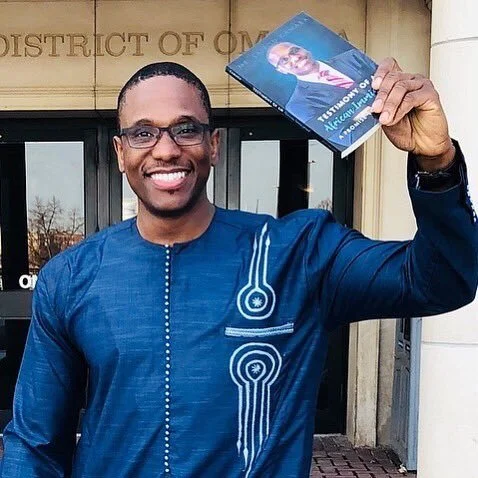
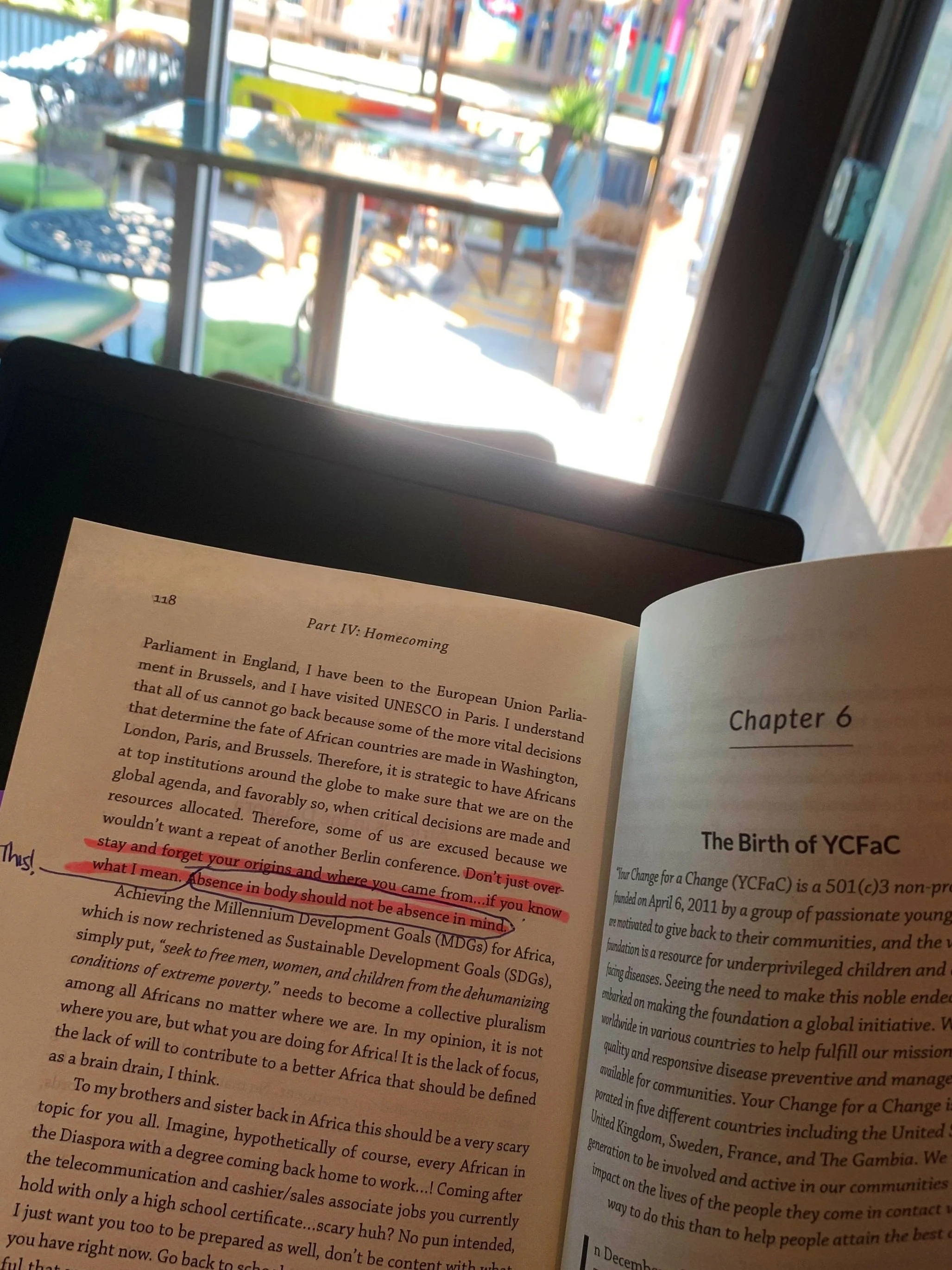
Saikou Camara is the founder and president of Your Change for a Change (YCFaC), a 501C3 non-profit organization incorporated in the state of Nebraska and registered in five different countries (USA, Gambia, U.K., Sweden, and France). He is also the president of a non-profit organization, People Making a Difference (PMaD), which was incorporated in the state of Nebraska (2014) and is comprised mainly of young African professionals within the greater Omaha area. Saikou is currently serving as a board member for the Simple Foundation incorporated in Omaha, Nebraska. As an activist with a passion for youth empowerment, Saikou co-founded the Global Leadership Empowerment and Diversity Summit (GLEADS) in 2016, which brings together a diverse group of young leaders to discuss innovative ideas and find solutions to the everyday challenges facing our diverse communities.
Saikou is an international motivational speaker and a seasoned storyteller. He is the author of Testimony of An African Immigrant – A Promise to My Father.
Jesmyn Ward
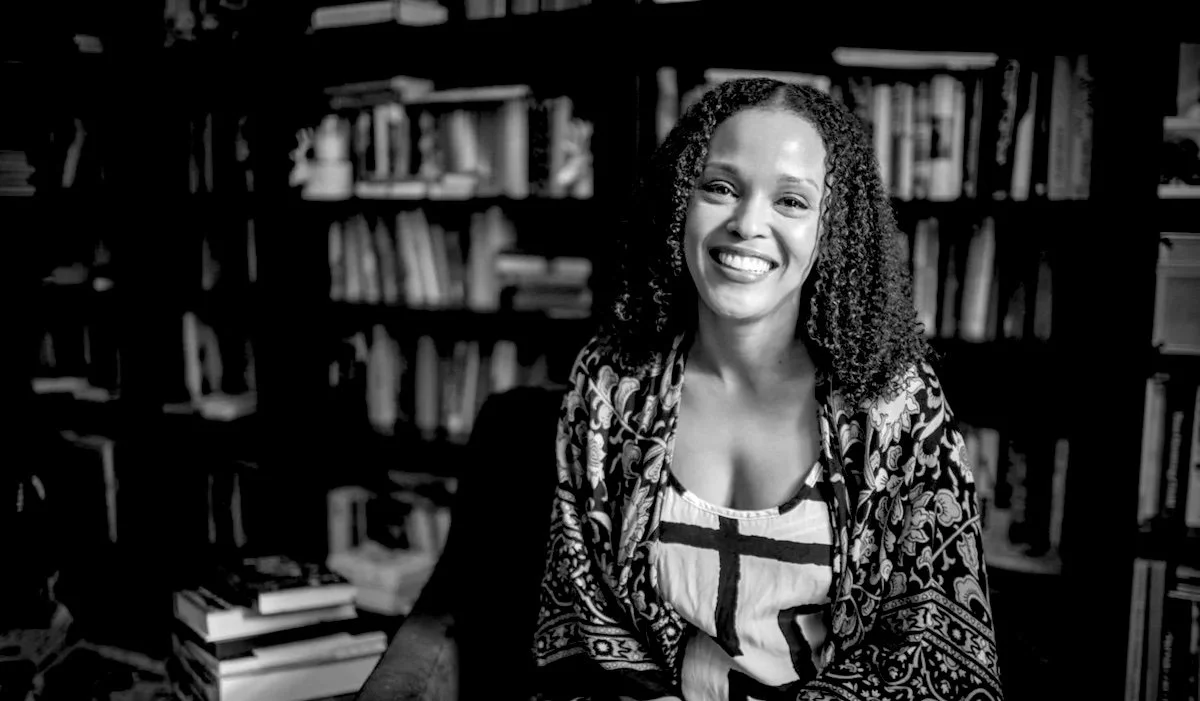
Jesmyn Ward was born in 1977 in DeLisle, Mississippi. Her mother’s employer paid for her to attend a private school after she was bullied by black students at a public school. She earned a BA at Stanford University in 1999 and a Master’s degree in 2000. Ward earned an MFA in Creative Writing from the University of Michigan in 2005.
Her first book Where the Line Bleeds was written to remember her younger brother, who was killed by a drunk driver. She was the winner of the 2011 National Book Award for Fiction and the 2012 Alex Award for her second novel Salvage the Bones.
She currently teaches at Tulane University, but previously was an assistant professor of Creative Writing at the University of South Alabama. She had a Stegner Fellowship from Stanford University (2010 to 2011) and a John and Renee Grisham Writer in Residence at the University of Mississippi for 2014.
She is the recipient of Tulane’s Paul and Debra Gibbons Professorship and also works closely with the New Orleans Center for the Gulf South and the Newcomb College Institute.
In 2017, she was awarded a MacArthur Foundation Genius grant. She has now won the National Book Award twice. Ward’s novel, Sing, Unburied, Sing, was awarded a National Book Award for fiction in November of 2017. Her book Navigate Your Stars is based on her life.
Michele Harper
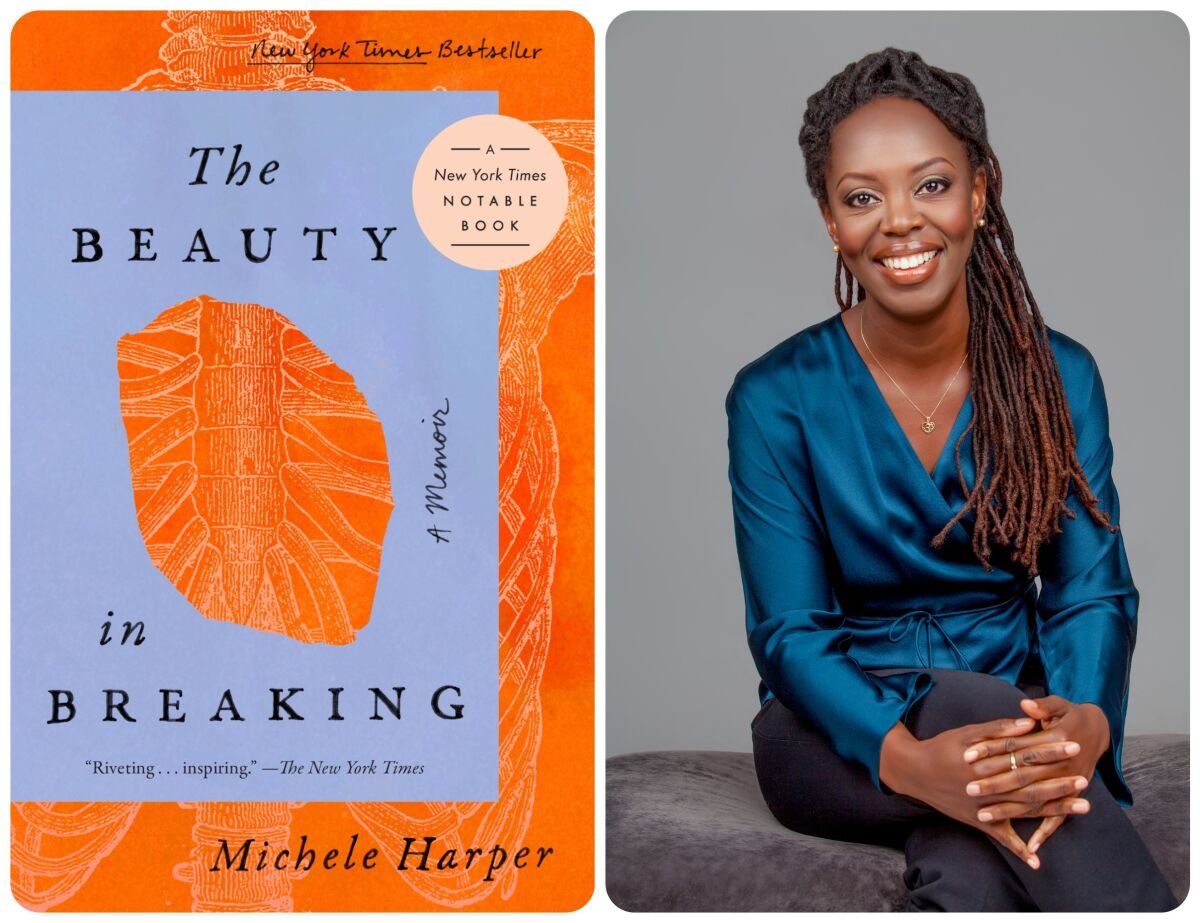
Dr. Michele Harper is an award-winning physician, New York Times bestselling author, and nationally recognized speaker whose work centers on individual healing and social justice. She is an advocate of personal wellness and evolution as a foundation for collective liberation.
In her best-selling memoir, The Beauty in Breaking, Dr. Harper shares her journey from an abusive childhood home to hectic ERs in New York City and Philadelphia as a Black female doctor—a demanding position in a profession that is still, today, overwhelmingly male and White. She describes how her own healing and that of patients she encountered along the way show we are all healing from something, and how, if we make the choice to heal ourselves, we can heal each other and society at large.
A New York Times bestseller in both hardcover and paperback editions, The Beauty in Breaking is also a Los Angeles Times and Laura Bush Book Club pick, a Barnes & Noble Monthly Pick, a Book of the Month Club selection, and on the New York Times 2020 list of 100 Notable Books. The book is included among Barnes & Noble Best Medical Books and Amazon’s 100 Best Books of 2020.
Text from: https://micheleharper.com/
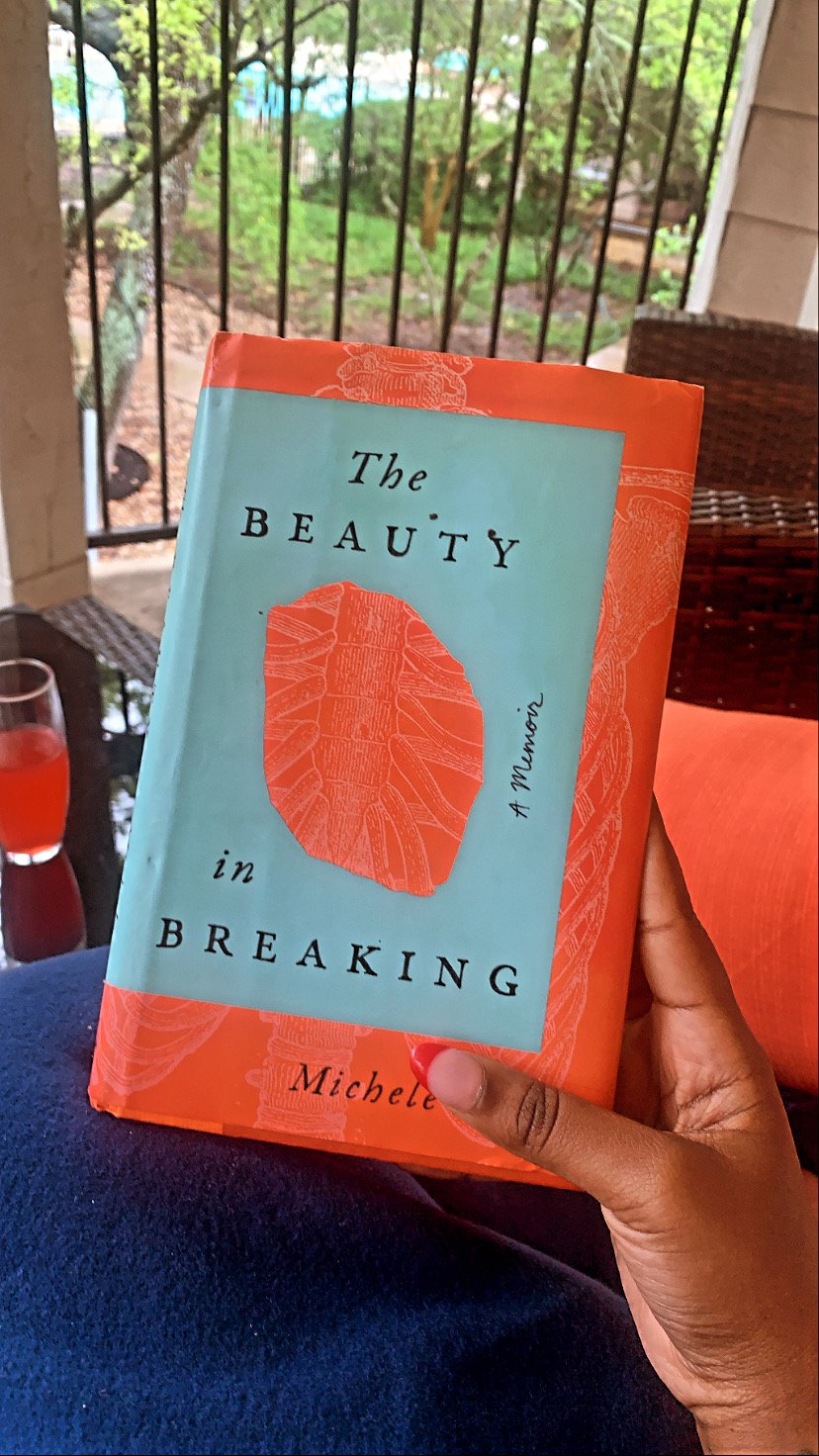
“I suppose it's a matter of faith whether or not we choose our starting ground before we're born into this life. Some begin the journey on flat, grassy meadows and others at the base of a very steep mountain. One path, seemingly smooth, can make it nearly impossible for us to see the ditches and gullies along the way. The other, while painfully tough, can deliver what it promises: If you can navigate that path, you've developed the skills to scale Everest. It isn't fair on many accounts; it simply is. And assuredly, both paths include uncertain terrain ahead.”
― Michele Harper, The Beauty in Breaking
Elif Shafak
Elif Shafak is an award-winning British-Turkish novelist and the most widely read female author in Turkey. She writes in both Turkish and English, and has published seventeen books, eleven of which are novels. Her work has been translated into fifty languages. Shafak holds a PhD in political science and she has taught at various universities in Turkey, the US and the UK, including St Anne's College, Oxford University, where she is an honorary fellow. She is a member of Weforum Global Agenda Council on Creative Economy and a founding member of ECFR (European Council on Foreign Relations). An advocate for women's rights,and freedom of speech, Shafak is an inspiring public speaker and twice a TED Global speaker, each time receiving a standing ovation. Shafak contributes to major publications around the world and she has been awarded the title of Chevalier des Arts et des Lettres. In 2017 she was chosen by Politico as one of the twelve people who would make the world better. She has judged numerous literary prizes and is chairing the Wellcome Prize 2019.
Text from Goodreads
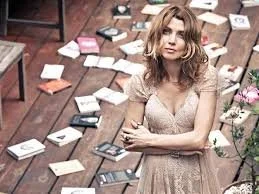
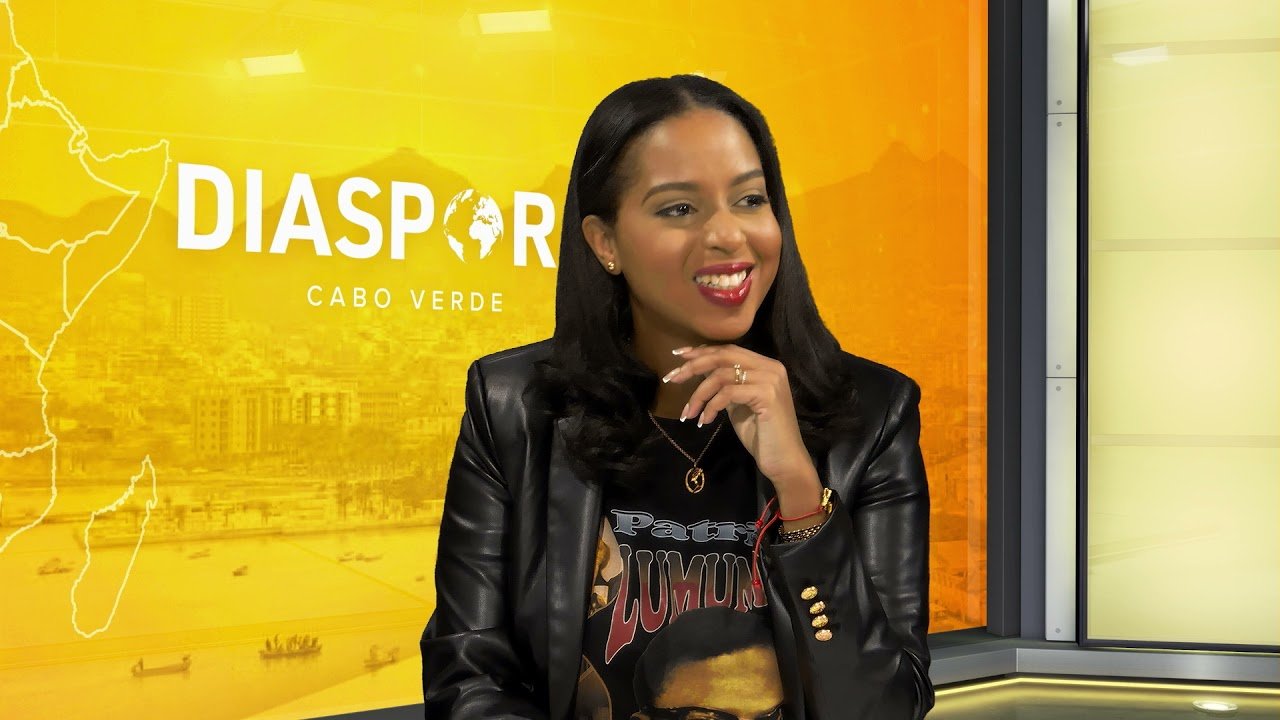
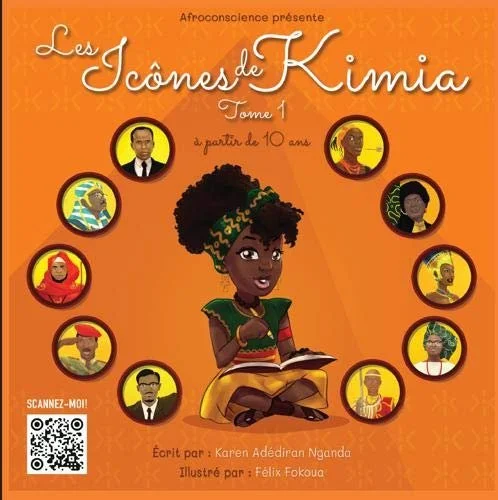
Née au Sénégal où elle a vécu jusqu’à ses 18 ans, Karen Adediran Nganda est d’origine cap-verdienne et Yoruba. Afro optimiste, elle est passionnée d’éducation et d’Afrique, et se veut agent de changement positif. Elle est l’auteure de “Les icônes de Kimia”, un livre jeunesse qui fait découvrir aux touts petits les personnalités qui ont marqué l’histoire de l’Afrique
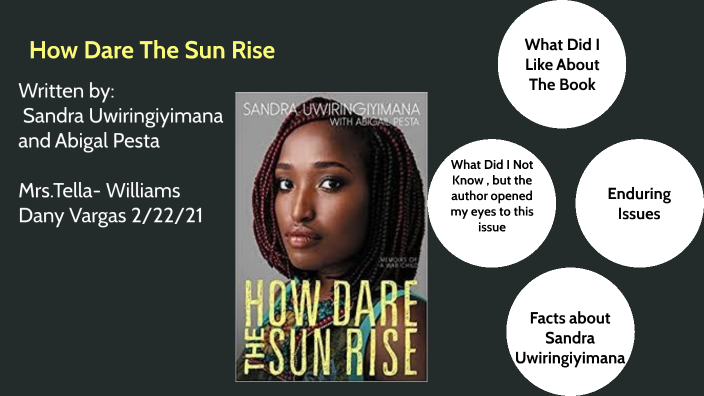
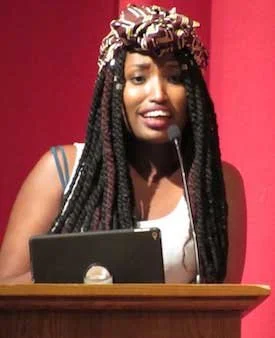
Sandra Uwiringiyimana
Sandra Uwiringiyimana is an author and member of the banyamulenge tribe (also referred to as Tutsi Congolese). Sandra was born in south Kivu located in the Democratic Republic of Congo,and spent the majority of her childhood in the Congolese city of Uvila. She is a survivor of the Second Congo War and the 2004 massacre at the refugee camp in Gatumba , Burundi, by the National Liberation Front. She spent a few years in Africa as a stateless refugee, before the UN offered her family a chance to relocate to America in late 2005. The application and screening process took years, but in April 2007 the family left Africa for Rochester New York.
“A person is a person, no matter what. You must do what you can to help people. What you do comes back around to you.”